

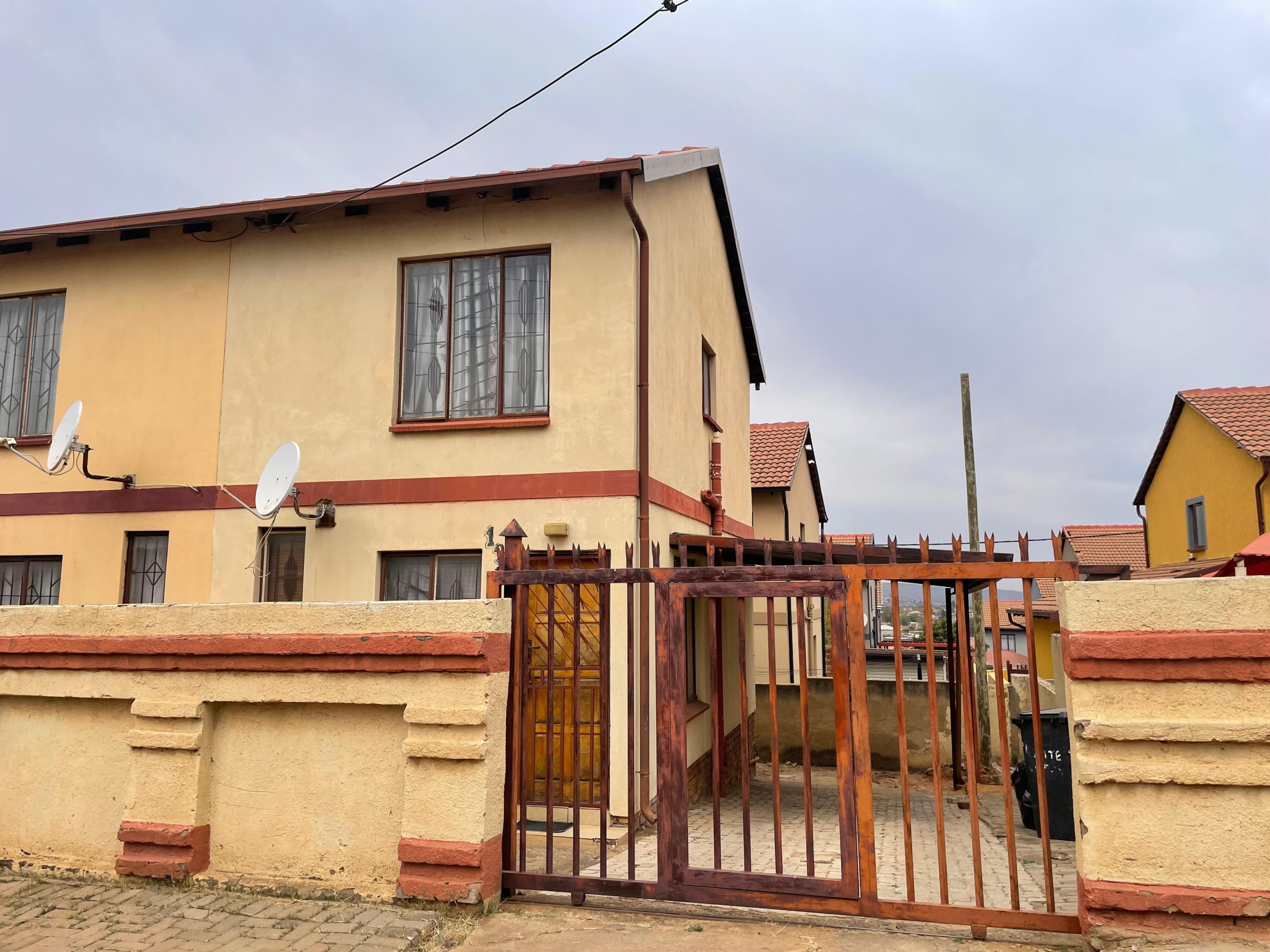
Renting a home can be an attractive alternative to buying property, particularly for people who are relocating, starting a career, studying, building their finances or simply prefer the flexibility that renting provides.
But finding a property and paying the first month’s rent is only part of the process.
A rental relationship creates responsibilities for both the tenant and landlord, and South African rental arrangements are governed by legal rules designed to regulate these relationships.
Before signing a lease, prospective tenants should understand the costs involved, what to look for in a property, what should be contained in the rental agreement and what happens when the tenancy comes to an end.
This guide explains what tenants should know before renting a house or apartment in South Africa.
1. Determine How Much Rent You Can Afford
The first step is to establish a realistic rental budget.
Don’t look only at the advertised monthly rent.
Your actual housing expenses may include:
- Monthly rent
- Electricity
- Water
- Refuse charges
- Internet
- Parking
- Security
- Gas
- Estate or complex-related charges
- Moving expenses
- Rental deposit
A property advertised at R10,000 per month can cost considerably more once utilities and other expenses are included.
Before viewing properties, calculate your total monthly housing cost.
2. Choose the Right Location
Location can have a major impact on both your monthly expenses and quality of life.
Consider:
- Distance from work
- Access to public transport
- Schools
- Healthcare
- Shopping
- Security
- Traffic
- Parking
- Internet availability
- Public infrastructure
- Noise levels
- Flooding or environmental risks
A cheaper property that requires a long daily commute may ultimately cost more than a slightly more expensive property closer to work.
3. Search for a Legitimate Property
South Africa has a large rental market, including properties advertised by:
- Estate agencies
- Private landlords
- Property management companies
- Online property platforms
Regardless of where you find a property, be cautious.
Scammers sometimes advertise attractive properties at unusually low prices and request money before the prospective tenant has properly verified the property.
Before paying anything:
Verify the property.
Confirm:
- The person advertising it has authority to rent it out
- The property actually exists
- You have physically viewed it where possible
- The landlord or agency can be identified
- The lease documentation is legitimate
- Payment instructions are consistent with the verified landlord or agency
Don’t allow urgency to override basic verification.
4. Don’t Pay Before You Understand What You’re Paying For
A landlord or rental agency may require a deposit and other legitimate charges, but tenants should understand exactly what each payment represents.
Ask for a written breakdown of:
- Deposit
- First month’s rent
- Utilities
- Application-related charges, if applicable
- Parking
- Other fees
Be particularly cautious if someone demands an immediate payment simply to “secure” a property before you have verified the landlord, property and rental agreement.
5. Inspect the Property Before Signing
Never rely solely on photographs.
Visit the property and inspect it carefully.
Check:
Inside
- Walls
- Ceilings
- Floors
- Windows
- Doors
- Locks
- Plumbing
- Taps
- Toilets
- Shower
- Kitchen
- Appliances
- Electrical outlets
- Lighting
Outside
- Gates
- Fences
- Parking
- Garden
- Security features
- Common areas
- Access points
Also pay attention to less obvious issues such as:
- Damp
- Mould
- Leaking roofs
- Water pressure
- Noise
- Cellular reception
- Internet connectivity
Don’t be afraid to ask questions.
6. Document the Condition of the Property
This is one of the most important things a tenant can do.
Before moving in, document the property’s condition.
Take dated photographs and videos of:
- Walls
- Floors
- Ceilings
- Doors
- Windows
- Bathrooms
- Kitchen
- Appliances
- Existing damage
- Outside areas
Where the rental arrangement includes an incoming inspection, participate in it carefully.
The purpose is to create a record of the property’s condition when you take occupation.
This can become extremely useful when the lease ends and the deposit is being dealt with.
7. Read the Lease Agreement Carefully
A written rental agreement should clearly explain the terms of the tenancy.
Don’t sign simply because the agent or landlord tells you:
“It’s just a standard lease.”
Read it.
Pay attention to:
- Monthly rental amount
- Lease duration
- Deposit
- Rental escalation
- Payment date
- Utilities
- Maintenance responsibilities
- Occupants
- Pets
- Parking
- Subletting
- Notice requirements
- Renewal
- Early termination
- Breach provisions
- Inspection arrangements
If you don’t understand a clause, ask for an explanation before signing.
8. Understand Your Rental Deposit
The rental deposit is one of the areas where tenants and landlords frequently disagree.
The Rental Housing Act regulates aspects of deposits and inspections.
The landlord generally has obligations regarding the handling and refund of the deposit, subject to applicable deductions.
Deductions may arise where there is legitimate damage attributable to the tenant beyond ordinary wear and tear, or where other amounts are properly due under the rental agreement and applicable law.
This is why your move-in inspection matters.
If the property was already damaged when you moved in, you want evidence showing that the damage was pre-existing.
9. Understand “Wear and Tear”
A rental property naturally experiences deterioration through normal use.
This is generally different from damage caused by negligence or misuse.
For example, ordinary deterioration from living in a property should not automatically be treated as tenant damage.
However, deliberately or negligently damaging the property is a different matter.
The distinction can become important when a landlord assesses the property at the end of a lease.
Again, detailed move-in and move-out records are valuable.
10. Know Your Maintenance Responsibilities
The lease should explain who is responsible for particular maintenance issues.
Some responsibilities may belong to the landlord, while tenants may be responsible for damage they cause or minor obligations specified in the agreement.
If something goes wrong:
Report it promptly and in writing.
For example:
“The kitchen tap has developed a leak.”
Don’t simply ignore the problem.
A small leak that remains unreported could eventually become a much bigger issue.
Keep records of important maintenance communications.
11. Understand Your Rights as a Tenant
South African rental relationships are regulated by legislation, including the Rental Housing Act 50 of 1999, as amended.
The Act provides a framework governing the relationship between landlords and tenants and establishes principles concerning issues such as rental agreements, deposits, inspections and unfair practices.
Tenants should also understand that their rights do not mean they can ignore their contractual obligations.
A tenant still has responsibilities, including paying rent as agreed and taking reasonable care of the property.
12. Your Landlord Cannot Simply Ignore the Lease
A lease creates obligations for both parties.
If a landlord fails to meet obligations under the agreement, the tenant should document the issue and follow the dispute-resolution or enforcement mechanisms available under the agreement and applicable law.
Likewise, a landlord generally cannot simply disregard the tenant’s contractual rights.
If a dispute becomes serious, professional legal advice or assistance from the relevant rental housing authorities may be appropriate.
13. Rent Increases
Your lease should tell you how rent increases are handled.
Don’t assume that rent can be increased at any time or by any amount simply because the landlord owns the property.
The applicable lease terms and South African rental law need to be considered.
Before renewing a lease, check:
- Current rent
- Proposed new rent
- Escalation clause
- Renewal period
- Notice requirements
If the proposed increase appears inconsistent with the lease or applicable law, ask the landlord or property manager for clarification.
14. What Happens If You Want to Leave Early?
Sometimes circumstances change.
You may:
- Get a new job
- Move to another city
- Buy a property
- Return to your family
- Experience financial difficulties
- Need a larger or smaller home
Don’t simply move out without understanding your lease.
Check the agreement’s provisions regarding:
- Notice
- Early termination
- Cancellation
- Replacement tenants
- Potential charges
The Consumer Protection Act may also be relevant to certain residential lease arrangements, including provisions concerning cancellation by consumers.
Because the exact circumstances matter, tenants should not assume that every early termination situation is treated identically.
15. Keep Proof of Your Rental Payments
Always maintain records of rent payments.
Depending on how you pay, retain:
- Bank confirmations
- Receipts
- Payment references
- Statements
- Written acknowledgements
If a disagreement later occurs about whether rent was paid, these records can become important evidence.
Avoid cash payments without a proper receipt.
16. Understand Utilities
Utilities can vary significantly between properties.
Before signing the lease, establish exactly what you are responsible for.
Ask:
- Is electricity prepaid?
- Is water included?
- Who pays refuse collection?
- Is there a municipal account?
- Is gas required?
- Is internet included?
- Are there separate utility administration charges?
Don’t assume utilities are included simply because the rental advertisement doesn’t mention them.
17. If You’re Renting in a Sectional Title Development
Apartments and complexes often have additional rules.
You may need to comply with:
- Body corporate rules
- Conduct rules
- Parking rules
- Pet restrictions
- Noise restrictions
- Access-control procedures
- Use of communal facilities
The landlord should ensure that the tenant is made aware of applicable rules.
Ask for a copy of the relevant rules before moving in.
A tenant can face problems if they discover after signing that their pet, vehicle or intended use of the property is prohibited.
18. What Happens When the Lease Ends?
As the lease approaches its end, check the notice and renewal provisions.
Don’t wait until the final few days to decide whether you’re staying.
If you’re leaving:
- Give the required notice
- Settle outstanding amounts
- Arrange the exit inspection
- Return keys and access devices
- Remove personal belongings
- Provide forwarding details
- Keep records of the property’s condition
The property should generally be returned in the condition required by the lease, allowing for fair wear and tear.
19. Getting Your Deposit Back
At the end of the lease, the property should be inspected according to the applicable rental agreement and legal requirements.
If there is no legitimate damage or outstanding amount that can properly be deducted, the deposit should be dealt with in accordance with the applicable law.
This is another reason why your original photographs and inspection report matter.
If you disagree with a deduction, request:
- A written explanation
- Supporting documentation
- Inspection records
- Invoices or quotations where appropriate
Don’t simply accept an unexplained deduction.
Common Rental Mistakes to Avoid
Choosing the cheapest property without checking the area
Cheap rent can come with expensive commuting, security or maintenance problems.
Paying before verifying the property
Always verify the landlord and property.
Signing without reading the lease
The lease determines many of your rights and responsibilities.
Failing to document existing damage
This can make deposit disputes harder to resolve.
Paying rent late
Late payments can damage your relationship with the landlord and may constitute a breach of the lease.
Ignoring maintenance problems
Report problems promptly and keep written records.
Assuming everything is included in the rent
Clarify utilities and other charges before signing.
Moving out without giving proper notice
Understand the termination provisions before leaving.
A Simple Checklist Before You Sign a Lease
Before committing to a rental property, make sure you have:
- Viewed the property
- Verified the landlord or agency
- Confirmed the total monthly cost
- Asked about utilities
- Inspected the property
- Documented existing defects
- Read the lease
- Understood the deposit requirements
- Checked the notice period
- Understood rental increases
- Checked pet and parking rules
- Confirmed maintenance responsibilities
- Kept copies of important documents
Final Thoughts
Renting a home should be a financial decision as well as a lifestyle decision.
The right property isn’t necessarily the cheapest one. It is one that fits your budget, location requirements, lifestyle and legal expectations.
Before signing a lease, verify the property, understand the agreement, document its condition and know what you’re responsible for paying.
And if a serious dispute develops, don’t rely solely on social-media advice. Consider obtaining advice from an appropriately qualified professional or contacting the relevant rental housing authority in your province.
Bamrofem Homes is committed to helping South Africans make more informed property decisions—from finding a home to understanding the responsibilities that come with renting it.
Join The Discussion